Exterior Rendering vs Interior Rendering: What’s the Difference?

Both exterior and interior renderings are essential in architectural visualization because they communicate different aspects of a project.
Exterior renderings highlight the building’s overall form, materials, surroundings, and first impression, making them especially valuable for marketing and public presentations. Interior renderings, on the other hand, focus on atmosphere, space, functionality, and user experience, helping clients and stakeholders better understand how the project will look and feel from within.
Together, they play a key role in design communication, project presentations, and the creation of compelling visual materials for promotion.

Key Takeaways
● Exterior renderings showcase the building’s overall form, materials, context, and visual impact
● Interior renderings reveal atmosphere, spatial quality, functionality, and user experience
● Both types serve different but complementary roles in architectural visualization
● They are essential for marketing and help present projects attractively to clients, buyers, and the public
● They support design communication and make ideas easier to understand and evaluate
What Is Exterior Rendering?
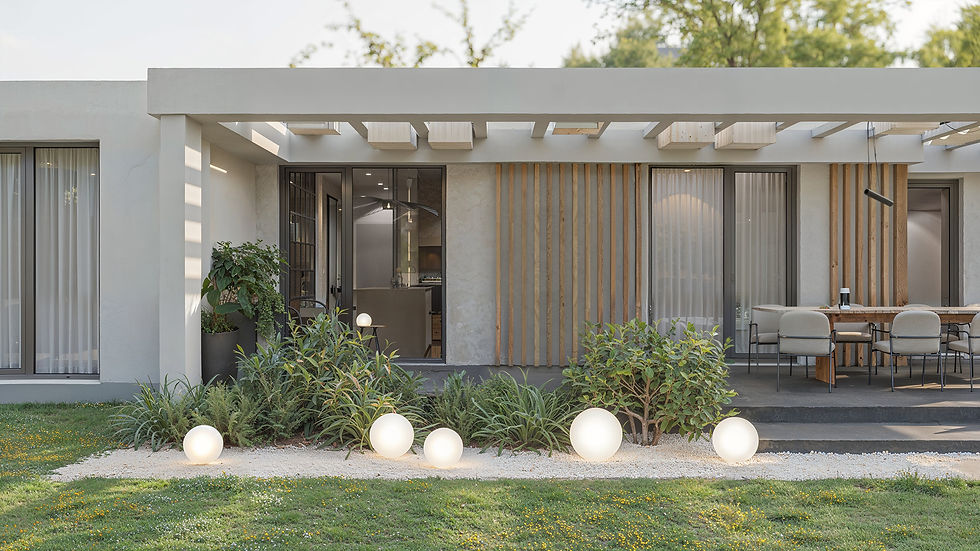
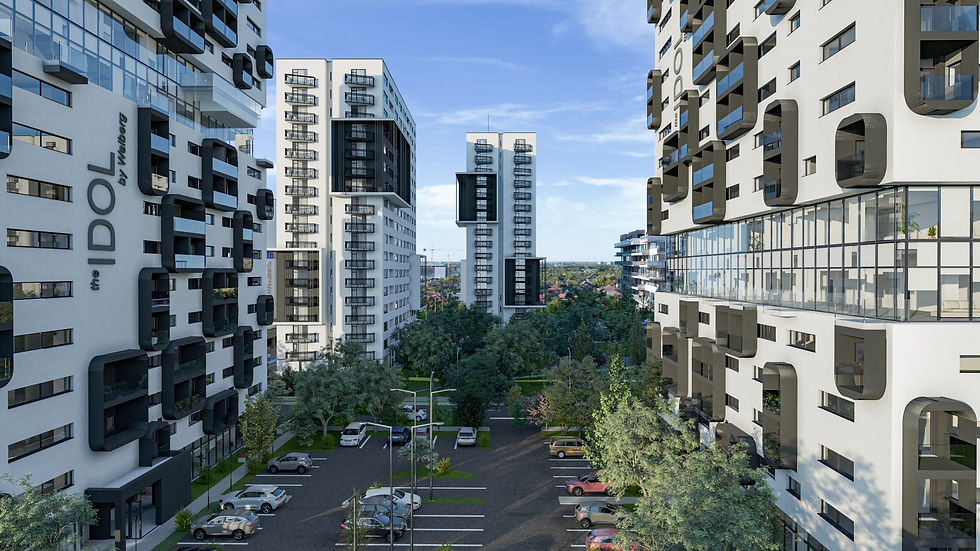
Exterior rendering is the process of creating a realistic or stylized visual representation of the outside of a building before it is built. It includes elements such as the façade, materials, lighting, landscaping, surroundings, and overall architectural character.
In architectural visualization, exterior renderings help clients, investors, and buyers understand how a project will look in real life. They are commonly used for marketing, design approvals, and project presentation.
What exterior renderings are used for
Exterior renderings are used for:
● Marketing and promotion of real estate and architectural projects
● Client presentations before construction begins
● Design communication between architects, designers, and stakeholders
● Project approvals involving investors, developers, or planning authorities
● Showcasing materials, façade details, and surroundings clearly
● Helping buyers visualize the final result
● Creating strong first impressions of the building’s identity

Main visual elements in exterior rendering
Main visual elements include:
● Building form and architecture
● Façade materials and textures
● Lighting and shadows
● Landscaping and vegetation
● Surrounding environment and context
● Windows, doors, and architectural details
● Sky, weather, and atmosphere
● People, cars, and lifestyle elements
● Camera angle and composition
What Is Interior Rendering?
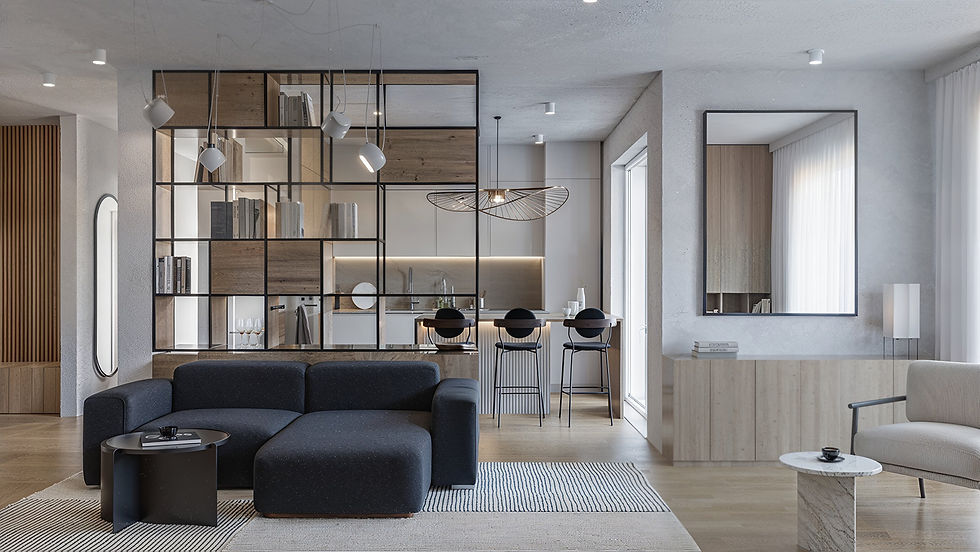
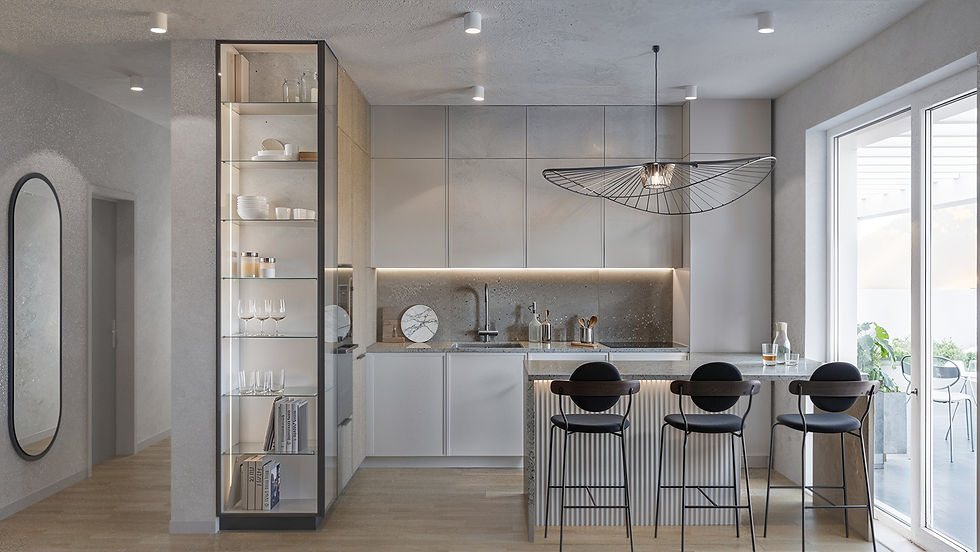
Interior rendering is the process of creating realistic or stylized visual representations of indoor spaces before they are built or completed. It includes elements such as furniture, materials, lighting, colors, textures, and spatial layout to communicate both atmosphere and functionality.
In architectural visualization, interior renderings help clients, designers, and stakeholders clearly understand design concepts. They are widely used for marketing, design approvals, and project presentations.
What interior renderings are used for
Interior renderings are used for:
● Presenting design concepts before construction or renovation
● Helping clients visualize spaces more clearly
● Supporting communication between designers, architects, and stakeholders
● Showcasing materials, furniture, lighting, and finishes
● Marketing residential, commercial, and hospitality projects
● Enhancing project presentations
● Supporting decision-making and design approvals
Main visual elements in interior rendering
Main visual elements include:
● Space layout and proportions
● Furniture and décor
● Materials and textures
● Lighting (natural and artificial)
● Color palette
● Walls, floors, and ceiling details
● Windows, curtains, and openings
● Shadows, reflections, and realism
● Styling accessories and lifestyle elements
● Camera angle and composition

Exterior Rendering vs Interior Rendering: Key Differences
Aspect | Exterior Rendering | Interior Rendering |
|---|---|---|
Focus | Shows the outside of a building | Shows the inside spaces of a building |
Purpose | Emphasizes architecture, facade, and surroundings | Highlights atmosphere, layout, comfort, and functionality |
Main elements | Landscaping, sky, environment, facade materials | Furniture, lighting, textures, colors, decor |
Viewpoint | Presents the building in its broader context | Creates a detailed and immersive view of specific rooms |
Use in presentation | Creates a strong first impression and supports marketing | Helps clients understand the mood and usability of the space |
Overall role | Communicates the external identity of the project | Communicates the internal experience of the project |
Which Type of Rendering Do You Need?
The right type of rendering depends on your project stage and goals.
If you want to present the building’s overall appearance, context, and first impression, exterior rendering is usually the best choice. If your goal is to showcase the atmosphere, layout, materials, and user experience inside the space, interior rendering is more appropriate.
In many cases, the most effective approach is to use both, as they complement each other and provide a complete understanding of the project.
When exterior renderings are more important
Exterior renderings are more important when the focus is on presenting the building’s design, façade, materials, and relationship with its surroundings.
They are especially valuable during early marketing stages, real estate promotion, public presentations, and client approvals, where first impressions play a critical role. They are also essential when architecture, scale, or site context strongly influence decisions.

When interior renderings bring more value
Interior renderings are more valuable when the focus is on the experience inside the space, including atmosphere, layout, materials, lighting, and functionality.
They are particularly useful for residential, hospitality, office, and commercial projects, where comfort and spatial quality influence decision-making. Interior visuals help clients understand how a space will look and feel before it is built, making them highly effective for approvals and presentations.

Conclusion
Both exterior and interior renderings play a vital role in architectural visualization, each contributing in a different but equally important way.
Exterior renderings communicate the building’s identity, form, materials, and relationship with its surroundings, making them highly effective for marketing and first impressions. Interior renderings focus on atmosphere, functionality, and user experience, helping clients and stakeholders understand how the space will look and feel.
The right choice depends on the project stage and goals, but in most cases, combining both provides the most complete and persuasive visual communication.
We are Renderistic, a rendering and interior design studio from Timișoara, Romania. Since 2018, we've been helping architects, developers, and designers across Europe and beyond visualize their projects with photorealistic 3D renderings, interior design, office fit-out, and virtual tours. Ready to bring your next project to life? Let's talk →



Comments